
The skin is amazing at naturally restoring and renewing itself, when we give it the right ingredients and minimize overly invasive treatments that disrupt the skin's natural function.
This is a philosophy I have taken towards skincare my whole life, but the more research I do into the science of skin health and skin barrier repair, the more the data backs it up.
Our skin is an active, self-repairing organ that performs a wide range of protective and renewing functions.
The outermost layer, the stratum corneum which is so often treated as dead useless skin cells to remove, is actually living structure that maintains moisture and hydration, shields us from environmental stressors and signals the lower layers when repair is needed.
When you remove these outer layers you expose tender young skin that is not ready for the outside world just yet.
Which is why, if you do chemical peels and exfoliation, avoiding the sun during the healing process is so important.
But my approach is, nourish and protect these outer layers of the skin with the right oils and lipids and you will have glowing skin and maintain a healthy skin barrier function.
I'm not saying skip the sunscreen all together if you are out for long periods, but also support your skin through the summer months.
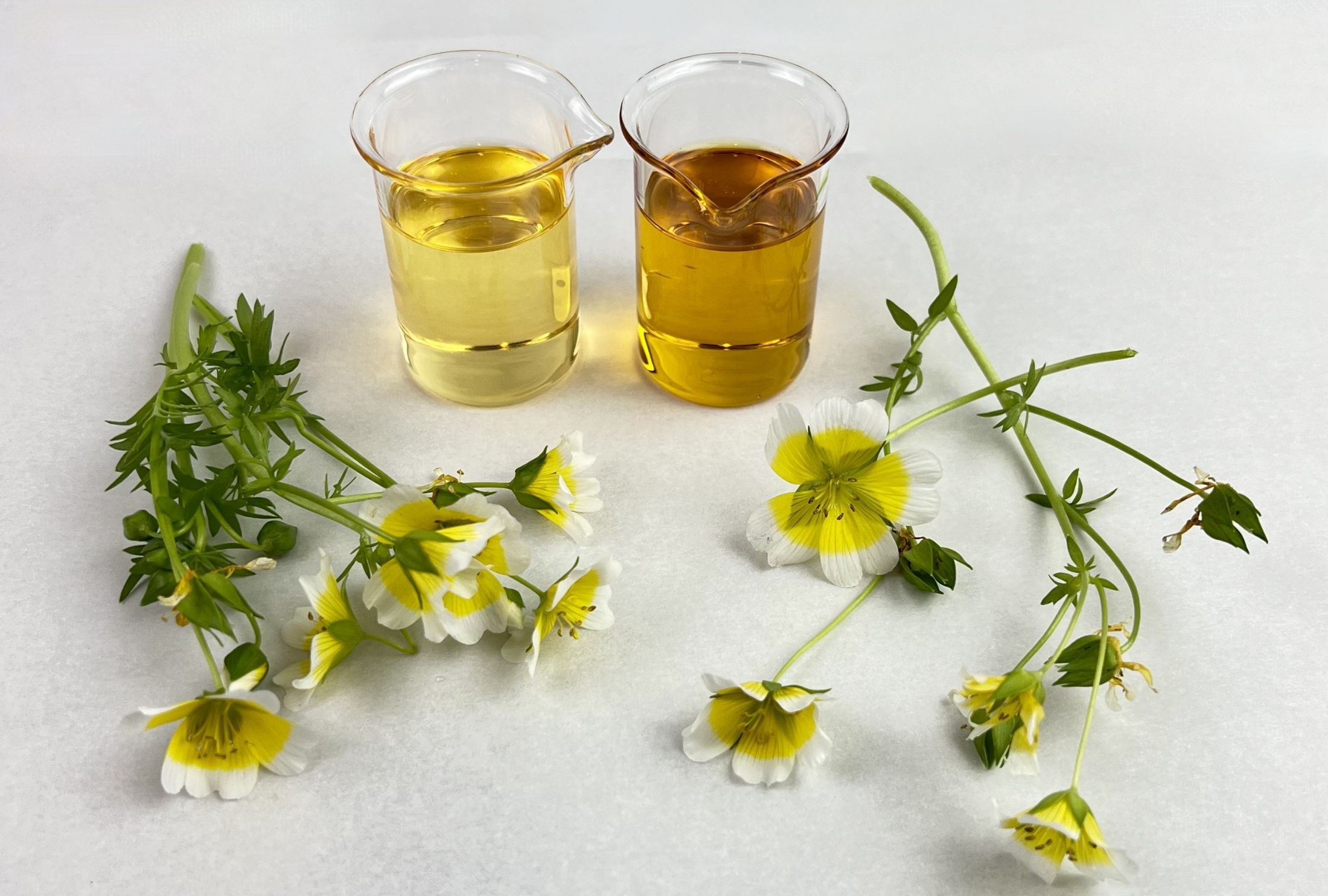
Meadowfoam seed oil
The Role of Lipids and Oils
When the skin barrier is compromised, whether from aggressive exfoliation, over-cleansing, or environmental stress, moisture is lost and inflammation can take hold.
This can accelerate the appearance of fine lines, loss of elasticity, and a dull, uneven skin tone.
Summer heat and humidity call for lighter oils that will still support the skin barrier.
A few of my favorites include meadowfoam, an absorbent oil with a light skin feel that also contains high percentages of very-long-chain fatty acids that help the skin lock in moisture.
Oil in the brassica family, the cabbage family, also contain these protective long-chain fatty acids, a few examples are Abyssinian oil, watercress seed oil and radish seed oil.
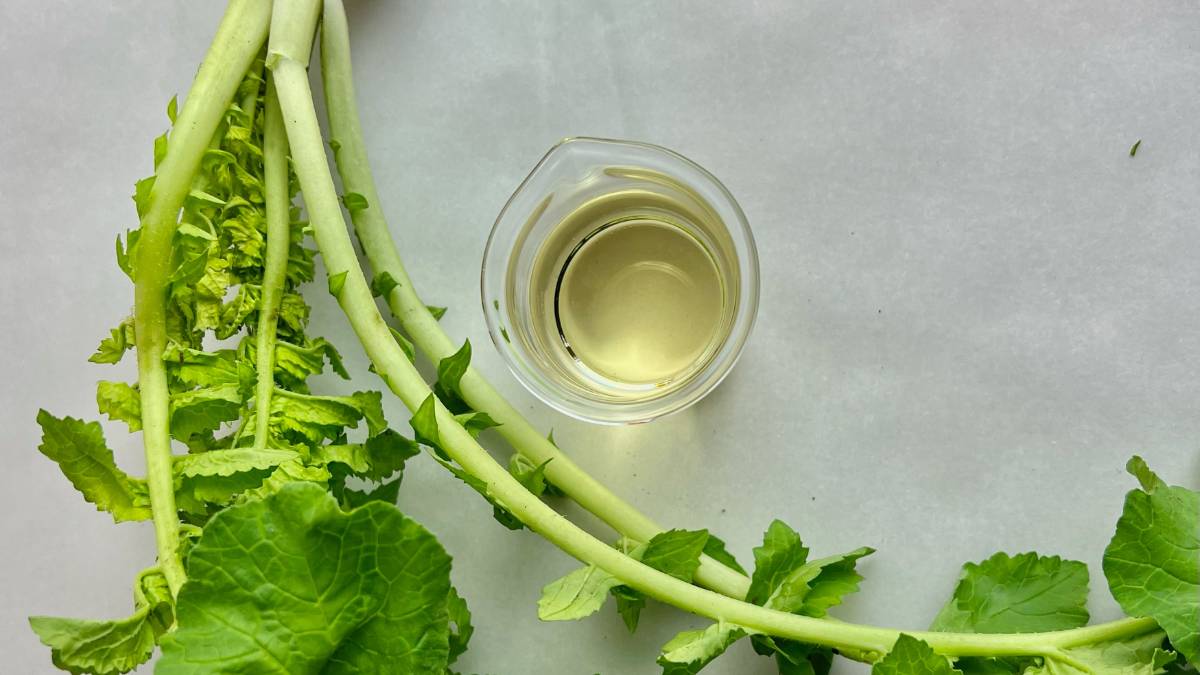
Daikon Radish Seed Oil
Sterol-rich oils like watermelon, wheat germ, prickly pear, coffee bean oil and pomegranate seed oil, can help reduce chronic inflammation, restoring skin to its natural resilience.
These are just a few examples of the lipid oils that help restore and support skin barrier health.
Let the Skin Do Its Work
The most important thing to remember is that our skin is not inert. It is intelligent, adaptable, and designed to care for itself, if we allow it.
When we choose gentle, supportive care over harsh interventions, we give the skin the space it needs to maintain its own resilience.
I hope this offers a helpful perspective as you consider your summer skincare rituals. Let your skin do what it does best: renew, protect, and care for you in return.
I’d love to hear from you, what has been your biggest struggle with your skin this summer?
Do you find that “less is more” works for you, or are you still looking for the right balance? Share your thoughts in the comments, I always learn so much from the conversations we have here.
My skin is always slightly peeling from dryness from menopause what oil would you use for skin this dry? I have tried so many and can’t find one that works well.
Hi Susan,
I saw your list of oils for dark skin spots/hyperpigmentation (melasma). Would those same oils work for white patches/pigment loss (vitiligo)?
I sincerely do not quite understand what appears to be a growing trend for combining many different oils for use on the skin. I very much appreciate the one oil approach!
What does the Oil Selection Charts cover in the lipid coursw
Inside the Lipid Lab we have lists of oils for herbal infusing, aromatherapy, and specific skin conditions.
Dark marks or acne scars on the back
Have started to get discoloration on my face and crepy skin is getting worse.
Hi Beth, For the coloration changes the best oil is pracaxi (pra-ca-shy) It is a South American oil and will also help with the crepey skin. Alternatives that may be easier to find are baobab, Abyssinian, or meadowfoam seed oils. Use any oil or combination of oils you choose generously after washing and let it soak into the skin.
Rosacea :(. Thank You!
Hi Ana, Rosacea is a form of inflammation and Evening primrose or borage oil can help here. They can be mixed with other oils like watermelon, rice bran, or wheat germ. The second three oils are high plant sterols which are also anti-inflammatory. Most oils have them but these three happen to be extra generous.
Thank you dear Susan. Actually I avoid the two first ones once they have quite a short shelf life. is rice bran, wheat germ and jojoba oil a good combination? Grateful.
I know my dry tired eyelids enjoy an occasional damp
herbal tea bag refresher moment – Scott Species
Mine too, Scott! Chamomile being a favorite.